“POSSIBILITY FIRST, CONSTRAINTS LATER”
DESIGN THINKING DRIVES PROJECt SUCCESS
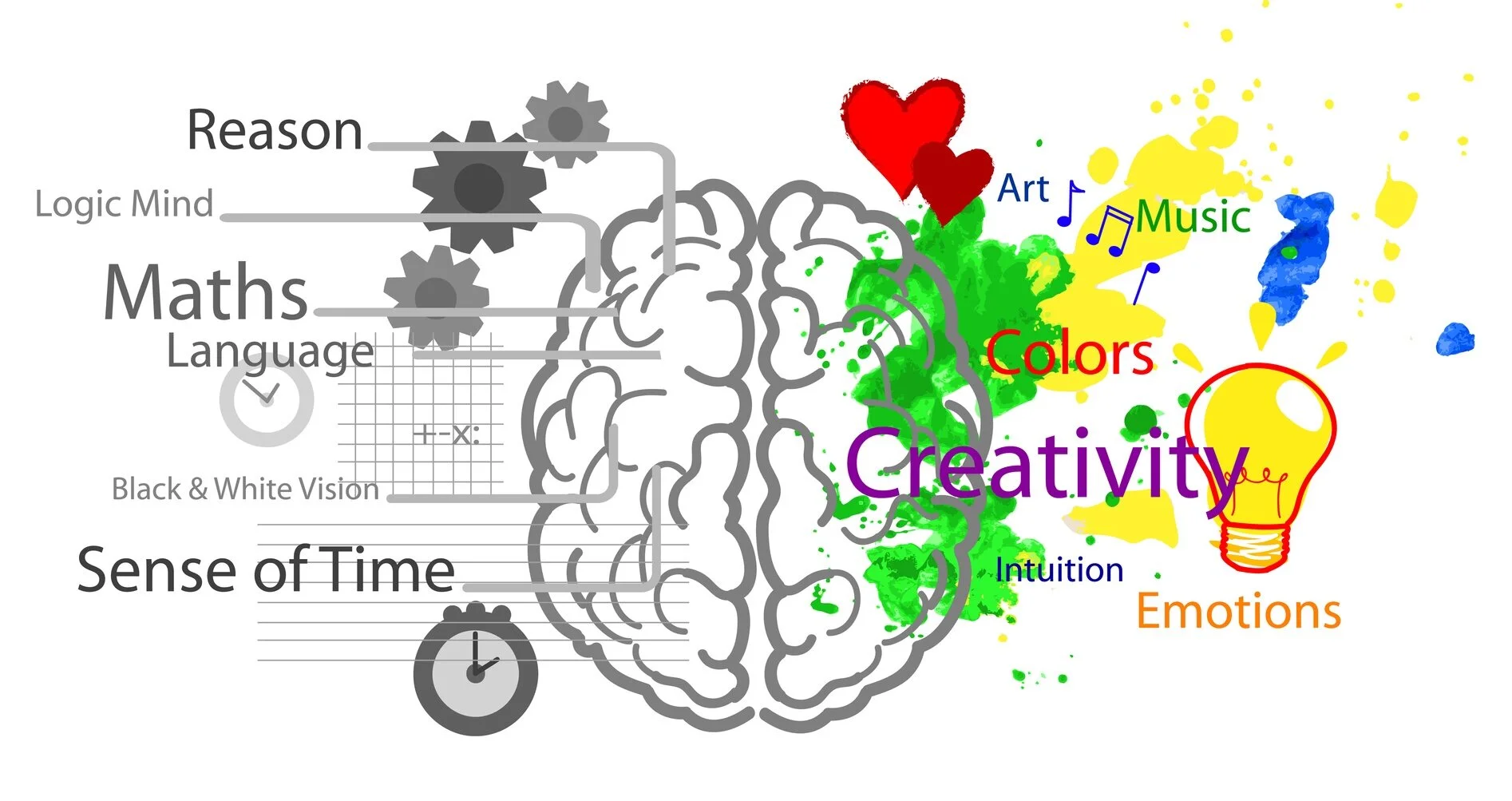
We understand that design is not an end in itself but a method for creating innovative, effective solutions. Our approach places the end user at the center of every project and examines the whole context in which the project will operate.
Key elements of our design-thinking process
Empathize: We begin by studying users and stakeholders to understand needs, behaviors, constraints and aspirations. Field research, interviews and observation reveal the lived context that guides design choices.
Define: Insights from research are translated into clear problem statements that reflect real user challenges and strategic objectives. Defining the right problem narrows focus and aligns the team.
Ideate: We generate a wide range of concepts by combining insights from different project elements — program, site, culture, technology, economics and sustainability. Cross-disciplinary collaboration fosters unexpected combinations and breakthrough ideas.
Prototype: Concepts are tested through sketches, models and low-cost prototypes. Prototyping reveals practical issues early, allows rapid iteration and validates assumptions with users and stakeholders.
Test: Solutions are evaluated in real contexts and refined based on feedback. Testing verifies that the design works for users, meets performance criteria and integrates with operational realities.
How we apply it in practice
Holistic context analysis: Every project is examined across scales — user, interior, building and urban — and across disciplines — architecture, planning, interiors and innovation consulting — to identify interdependencies and opportunities.
Insight synthesis: We collect data from diverse sources and combine insights to create composite solutions that address functional, emotional and strategic needs.
Iterative delivery: Rather than a single final idea, we develop multiple iterations and select solutions that balance desirability, feasibility and viability.
User-centered outcomes: Final designs prioritize user experience and measurable performance: usability, comfort, operational efficiency and long-term adaptability.
The result is design that is purposeful and integrated: not decorative alone, but a tested, context-aware solution that delivers value to users and stakeholders while supporting project goals. WHAT YOU SEE IS WHAT YOU GET

"Better to see something once than to hear about it a thousand times."
Asian Proverb
We model every part of our work with meticulous precision to communicate the design intent and create detailed digital trace files for a seamless set of design documentation.


3D hardline design builds the DNA for all our design and production work.
DETAIL
All our design work is developed digitally by senior designers to ensure fully coordinated production design and documentation.


Our passion for detail design gives quality assurance for the construction phase as well as an effective mechanism for controlling costs.
COORDINATION
In the role of lead design consultant we coordinate the project consultants work into our design and documentation drawings.

Project Design Team Coordination
BIM
Our software can be exported into most preferred CAD software design solutions for an integrated approach to BIM.

An Integrated Approach to Building Information Modelling.
APPLICATIONS
We utilize a variety of applications to collate and communicate our ideas and to enable our clients to participate directly in the design process.
Tap to interact


